
BME Faculty Receive NIH Grants to Advance Biomedical Innovations
The National Institutes of Health has awarded five UT researchers grant funding for multidisciplinary biomedical research.
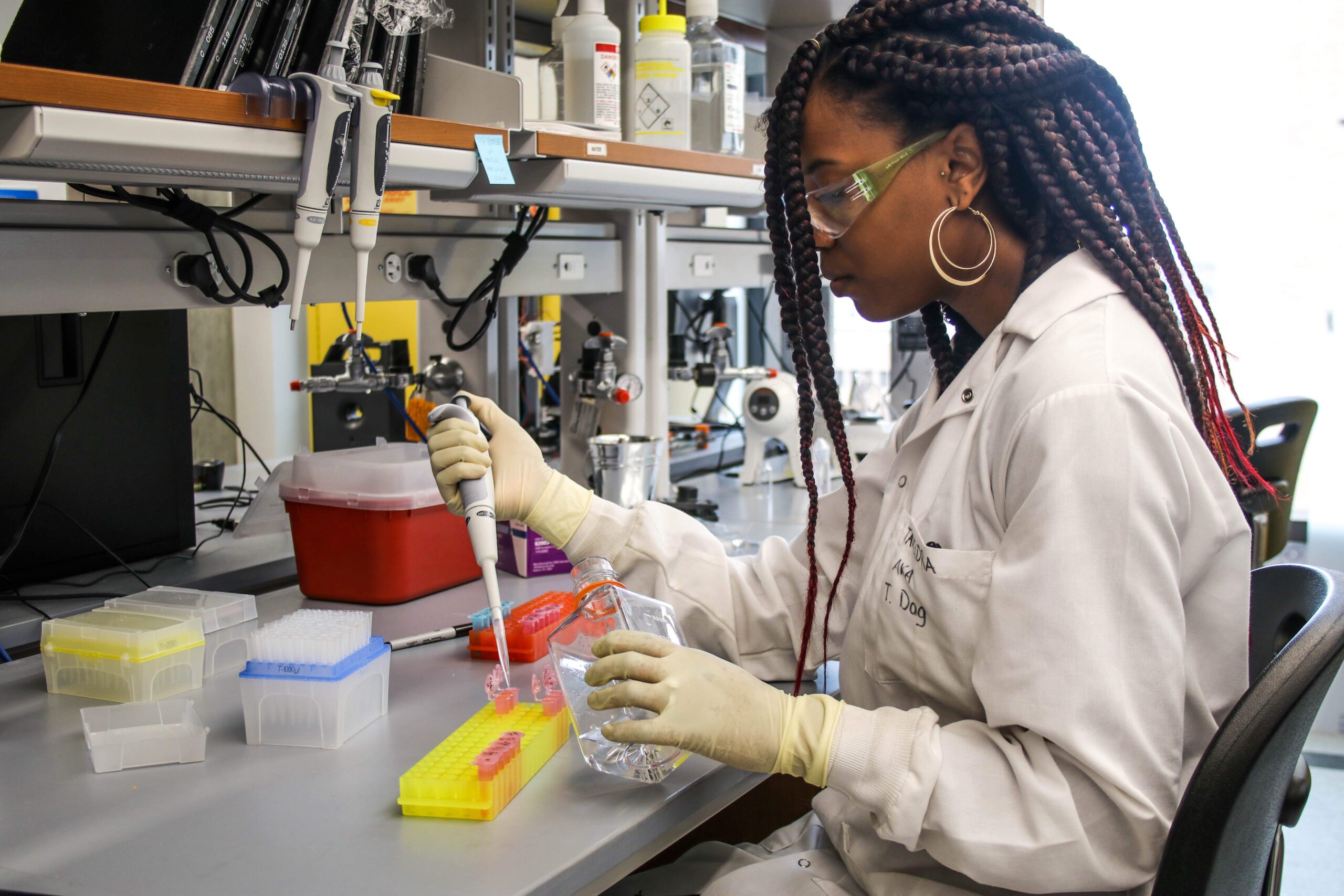
Five faculty members in the Department of Biomedical Engineering at The University of Texas at Austin have received grants from The National Institutes of Health, the largest public funder of biomedical research in the world. Researchers include Elizabeth Cosgriff-Hernández, Jeanne Stachowiak, Samantha Santacruz, Andrew Dunn and Stephanie Seidlits. The funding, which supports research across the health ecosystem, totals more than $11 million.
“This federal funding enables our faculty to pursue discoveries that advance health care while helping the department fulfill its mission to train the next generation of biomedical innovators.”
Tyrone PorterDepartment Chair
How Does Biological Sex Impact Cardiovascular Implants?
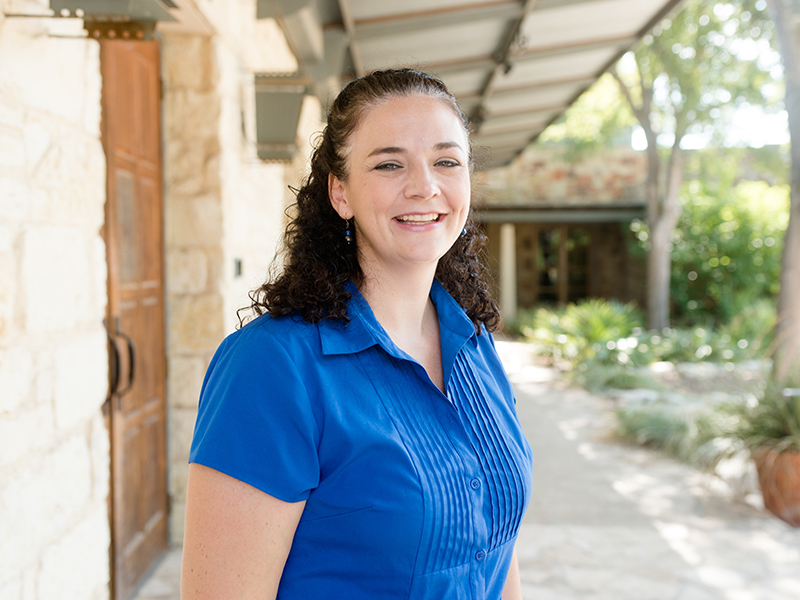
Professor Elizabeth Cosgriff-Hernández
Cosgriff-Hernández and Josephine Allen of the Medical College of Wisconsin have been awarded an R01 grant from the National Heart, Lung, and Blood Institute (NHLBI) of the National Institutes of Health to study how biological sex influences the body’s response to cardiovascular implants. Although sex differences in cardiovascular disease are well recognized clinically, they have rarely been incorporated into biomaterials engineering. The research team will use this knowledge to develop next-generation vascular grafts that improve healing for all patients.
Exploring How Membrane-Shaping Proteins Control Cell Behavior and Cardiovascular Function
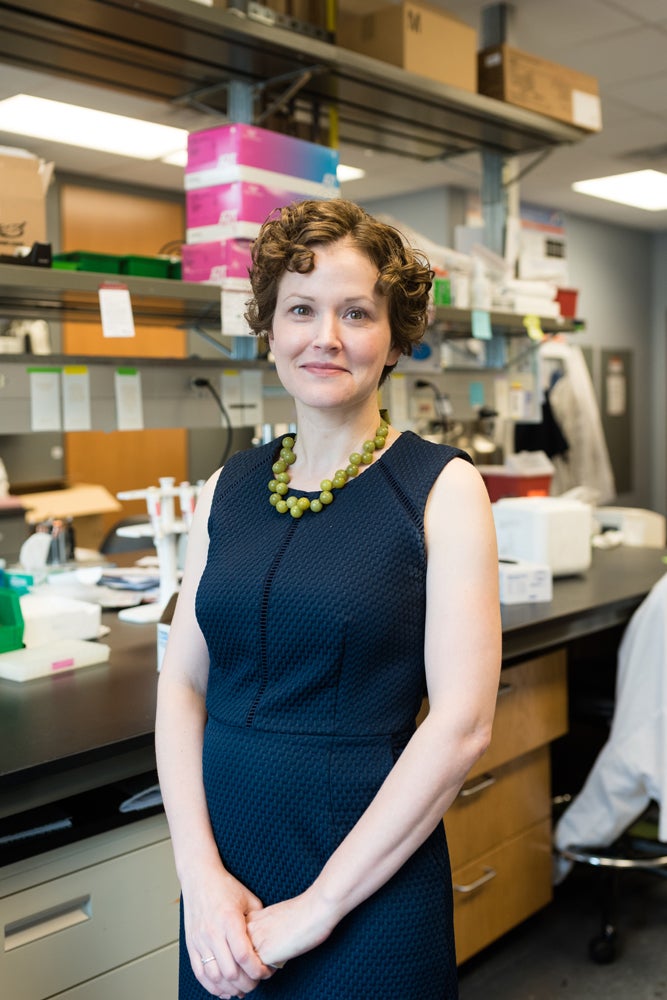
Professor Jeanne Stachowiak
Stachowiak, whose work centers on the biophysical mechanisms underlying lipid membrane function in cells, has received R01 grants for two current research endeavors. Her first project aims to understand the physical forces and biochemical events responsible for the organization and function of dynamic curved structures at the cellular plasma membrane. Her other project, a collaborative effort with Melanie Ohi from the University of Michigan, Brant Isakson and Anne Kenworthy from the University of Virginia, focuses on understanding how the protein caveolin drives the assembly of curved membrane structures called caveolae and the role of these structures in cardiovascular physiology.
New Technologies Aim to Unlock the Brain’s Dopamine Networks
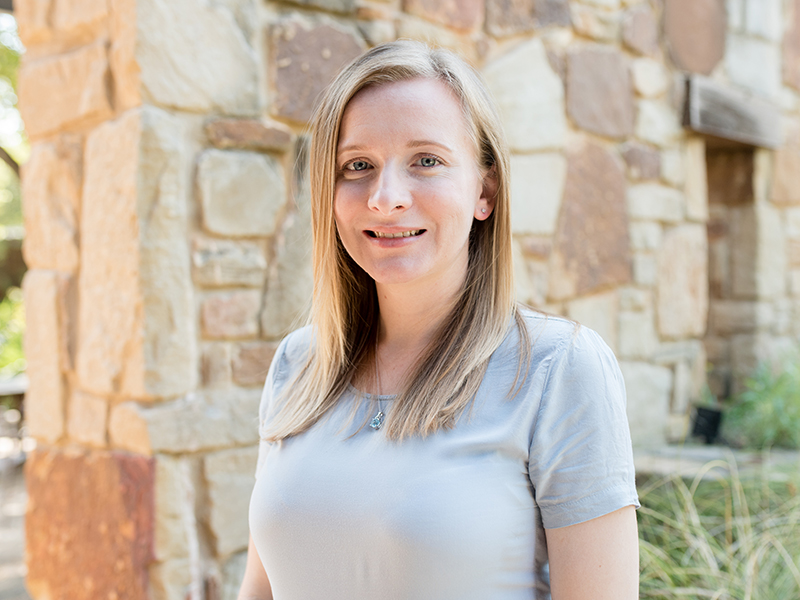
Assistant Professor Samantha Santacruz
Santacruz has received R01 funding to support her research that bridges engineering, data science and neuroscience to develop new tools that both illuminate how the brain works and lay the groundwork for future therapies. Her project seeks to address the current gap in methods to record and manipulate neural activity by developing new tools to study dopamine signaling in complex brain circuits. In collaboration with BME colleague Evan Wang, Santacruz will establish and characterize the genetically encoded fluorescent dopamine sensor dLight and develop an innovative sono-chemogenetic platform for selectively modulating dopamine signaling.
Uncovering New Methodologies for Blood Flow Imaging

Professor Andrew Dunn
Dunn has been awarded two R01 grants. The first will fund the development of new methods for imaging brain blood flow. Dunn and his team are developing a new technique that allows cameras to directly measure how light scattered by moving blood cells fluctuates over time, without requiring ultrafast cameras, reducing cost and improving practicality. They are also developing computational tools to reconstruct three-dimensional maps of blood flow velocities. This new work builds on decades of foundational research from his lab focused on laser speckle contrast imaging. The second award funds his collaboration with UT Austin colleague, Ann Fey. The pair is developing a flexible, robotic laser ablation system integrated with laser speckle contrast imaging to guide surgery to treat placental vascular defects, such as twin-to-twin transfusion syndrome.
Light Sheet Microscope Opens New Research Pathways in Neuroscience and Biomedicine
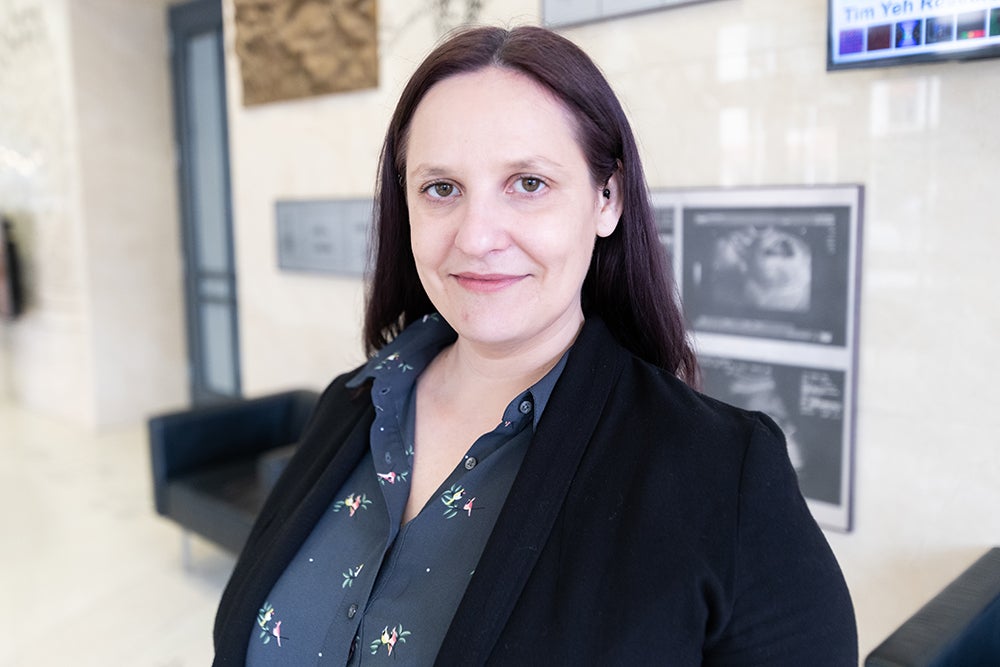
Associate Professor Stephanie Seidlits
The University of Texas at Austin has received a grant through the NIH’s S10 Instrumentation Program to help fund the purchase of a ZEISS Lightsheet 7 Fluorescence Microscope. The microscope, which is designed to provide rapid, three-dimensional imaging of living samples, will be the first of its kind in Central Texas. It will be a multidisciplinary resource utilized by researchers working on NIH-funded projects across the university. Seidlits, the lead principal investigator on the grant, will utilize the microscope in her lab to image cleared, whole brains and other tissues. She will also use the microscope to image intact neuronal networks and brain tumors grown as tissues outside of the body. Her research aims to uncover new therapies for several neurological diseases.