Connective Tissue
In the aftermath of family health complications, Tyler Melton sees medicine as more than just a salary.
The human body is an extremely capable organism. Our noses are among the most sensitive in the animal kingdom. Our brains contain more than 80 billion neurons. We can and do beat almost every other animal in a long-distance race on foot.
And yet, the human body, like all complex machines, has its stress points.
Over time, our fight-or-flight response weighs more heavily on the human heart. Like balding tires, the more wear and tear, the more prone to failure the muscle becomes. Heart failure affects 6.7 million adults in the U.S. In Texas, heart disease is the number one cause of death, and heart failure a large part of that statistic.
For Tyler Melton, it hits particularly close to home: His grandfather was in his 40s when he passed away from a heart attack. His father, who was a senior in college at the time, dropped out of school to help support his family and never finished his degree. Heart issues affect millions of people globally, and Melton knew just how difficult that experience can be and wanted to help others facing it.

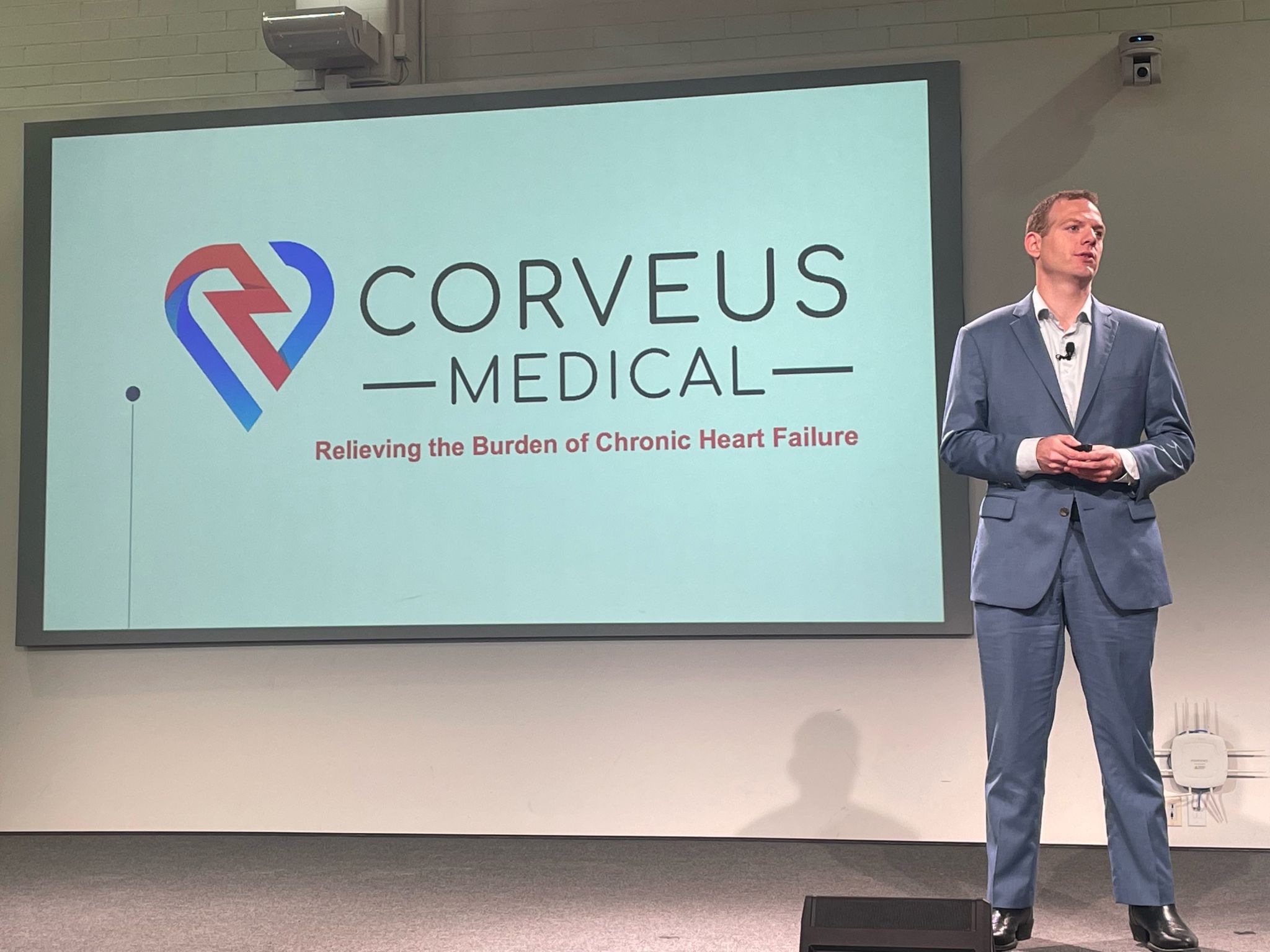
Today, Melton is the CEO and co-founder of Corveus Medical, a company that’s seeking to change chronic heart failure treatment. To get here, he took a winding and long road through Texas, and had lots of connections to make along the way.
Start Here
Melton initially arrived at The University of Texas at Austin to focus on biology and pre-med. Soon, however, it became clear his interests were elsewhere.
“Biology was always my strength, but engineering gave it real-world application,” Melton said, “It helped me understand not just anatomy but the mechanics behind what I was studying.”
A class called “physiology of heart mechanics” really got Melton’s attention. When deciding between two tough programs, Melton thought to himself, “why not both?” Melton earned a double degree in cellular and molecular biology and biomedical engineering in 2013.
Engineering taught me to think in systems and reframe problems. It wasn’t just about knowledge, it was about learning how to think. That’s a skill that I try to carry in everything I do.
Tyler Melton
As an undergrad, he worked in endosurgery units and on cancer therapeutics, and then a spine fusion device company for his senior design class in BME. This particular company had the connections to obtain a medical cadaver, a very valuable and not-at-all common teaching resource. It was as close to the “real thing” as Melton and his cohort could get while still in undergrad – the only catch was that they had to make the trek up to Dallas to use it.
“We left bright and early on a Saturday morning, and we didn’t even get back until late, but it was a lot of fun with the team.”
It allowed for rehearsal and connection, both with the potential surgery and each other.
“That trip became a bonding experience. We strategized, rehearsed and celebrated a successful test.”
After graduating, Melton decided to stay in Austin rather than go to the Northeast or West Coast, where more biomedical jobs were more plentiful. Again, Melton chose to take the long way around: This meant getting an MBA at Rice University and becoming more integrated into the entrepreneurial medical scene before finally founding Corveus Medical in 2021.
From a Personal Drive to a Global Impact
“We’re developing a device that could radically improve treatment for congestive heart failure. Millions suffer from it and current treatment options are limited,” Melton said.
A brief lesson in heart physiology: The fight-or-flight response triggers a complex chain of chemical reactions in the brain, which in turn sends chemical signals to different organs of the body, telling the our system that the heart needs more blood. It’s supposed to save our lives by allowing humans to respond more quickly to danger. It’s also a major contributor to heart failure as it causes congestion over time.
Corveus Medical is based around a single device that regulates this stress response.
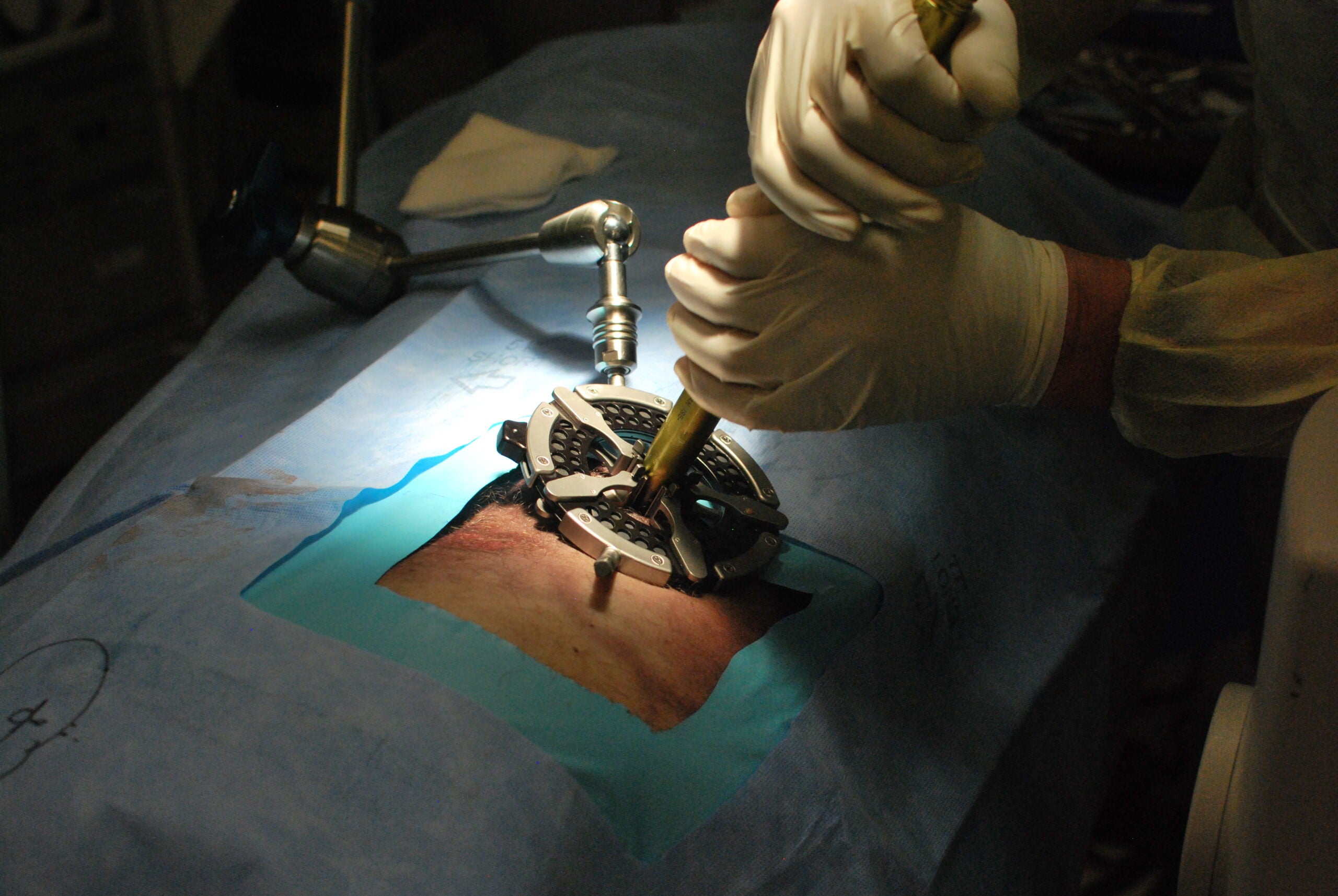
With some biomechanical know-how, the sympathetic nerve branch that triggers the heart can be ablated, or its signals can be disrupted. When other options aren’t possible, this could save someone’s life.
“We’re seeing that our solution has the potential to treat not only millions of Americans, but millions globally.” Melton says that, while work is work, it’s immensely rewarding to be able to work on a solution that helps save lives.
And if other students want to start on a similar path, he recommends reaching out to alums like himself, or people they might admire. It’s never too early to start making connections. Get involved early, Melton says, and prepare for the luck. Whether it’s a class outside the major, or a trip to Dallas, connections are everywhere, and they’re cumulative.
Read about more heart-driven connections within BME.
More Stories
Texas Engineering Once Again Named Among Top 10 Best Graduate Engineering Programs
Texas Engineering Once Again Named Among Top 10 Best Graduate Engineering Programs
Texas Engineering Once Again Named Among Top 10 Best Graduate Engineering Programs