From Cairo to Cockrell to Cure Cancer
More than 10 million people die of cancer every year around the world, with millions more affected by the passing of family members. For Alaa Melek, the disease transformed her life and educational career.
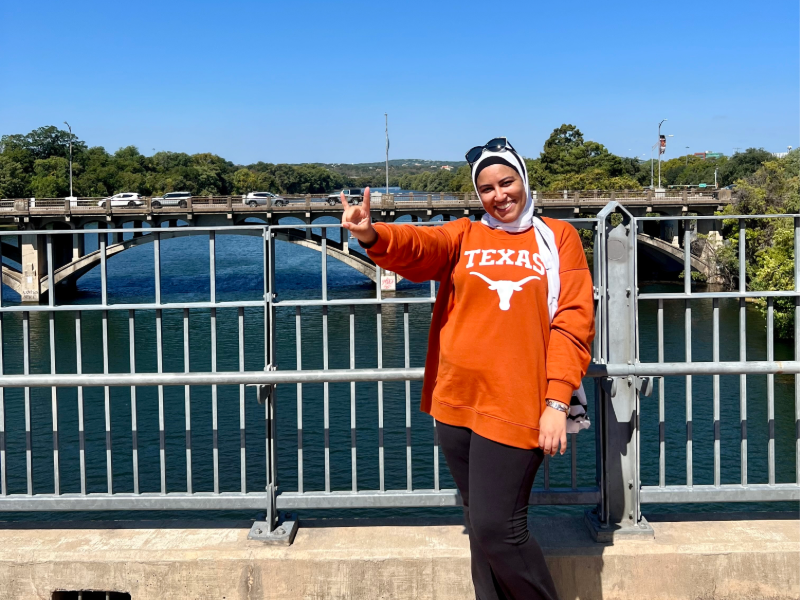
The 28-year-old UT biomedical engineering Ph.D. candidate lost her aunt to breast cancer when she was 11 years old and her father to colon cancer when she was 15 years old.
“I remember witnessing the struggles, pain, and emotional toll that having cancer had on them. I remember how all the family members shared this pain as well. I wanted to help others who might face the same pain. I wanted to make a difference in the oncology research area and not become a physician so that I could help as many people as possible and leave a legacy to my Dad,” Melek said.
Additionally, Melek considers herself to be a “numbers girl,” thus, biomedical engineering made the most sense to start her journey.
Driven by a Texas-sized level of initiative and fueled by an unwavering dedication to helping others, Melek paved her own path that took her from the University of Cairo to The University of Texas at Austin, where she now aims to tackle cancer using the hottest technology of the moment: artificial intelligence.
Born and raised in Egypt, Melek obtained her Bachelor of Science in biomedical engineering from Cairo University.
After undergrad, her next accomplishment was to obtain her master’s degree in the United States, and UT’s national reputation caught her eye. While time wasn’t in her favor, for Melek, it wasn’t a goodbye to the Live Music Capital of the World but rather a ‘See you soon.’
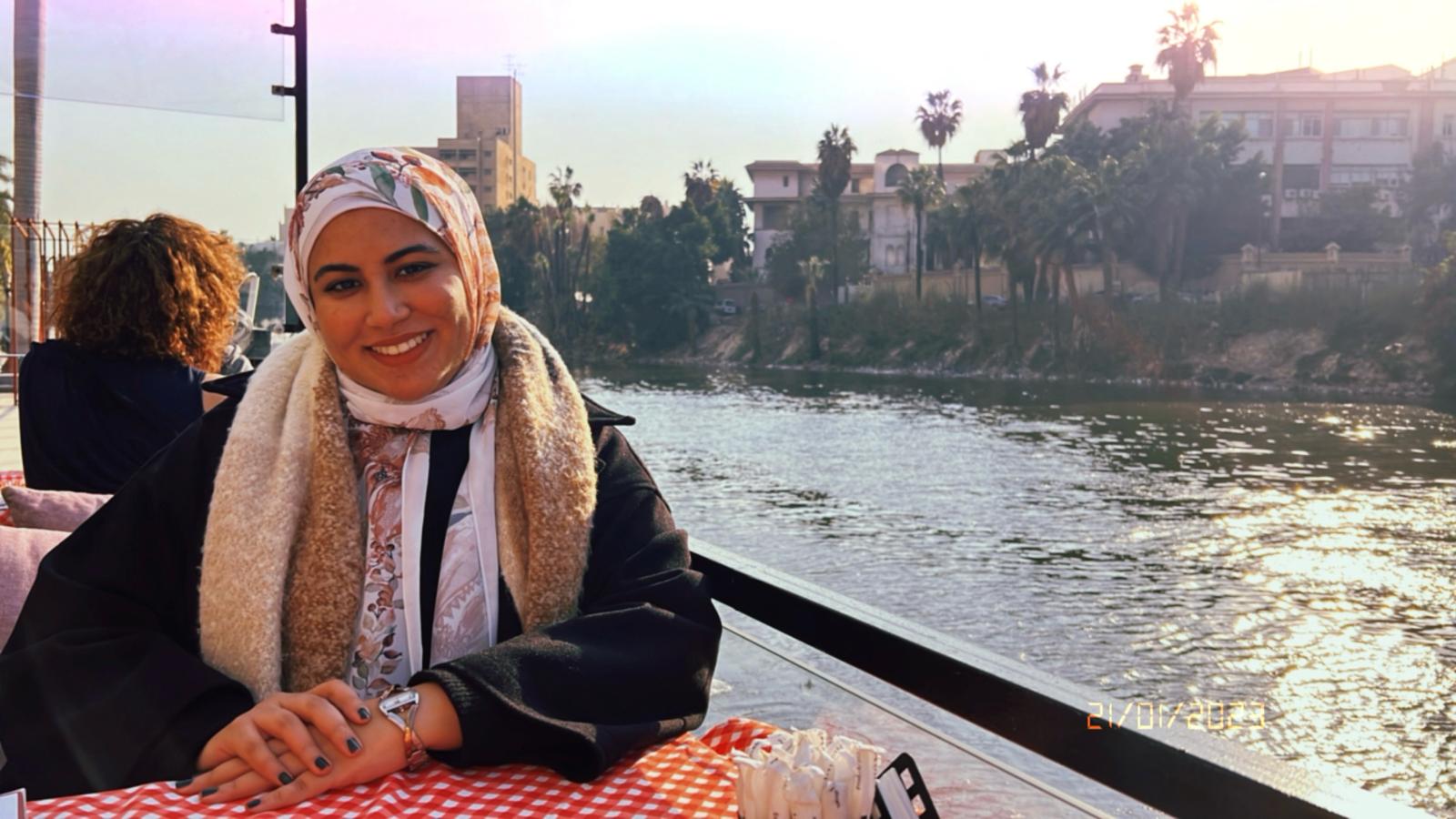
She shook it off and, without missing a beat, got back on her feet and returned to Cairo University for her Master of Science in biomedical engineering — often completing her research at her favorite hideout in the city.
While attending a medical imaging conference, she met a Ph.D. candidate from the Chandra Family Department of Electrical and Computer Engineering. With UT already on her radar, meeting a Longhorn re-ignited her interest in coming to Texas for her Ph.D.
In a full-circle moment, where the stars at night were big and bright, Melek was accepted into the Cockrell School of Engineering’s Department of Biomedical Engineering Ph.D. program deep in the heart of Texas, 7,088 miles away from where she grew up. Now, the time had come to leap out of her comfort zone, from the country where she spent her entire life, and ride up into Austin, the cradle of the west, as the great Ray Benson would say.
With her life packed into bags, she set foot on the UT campus ready to change the world using the most influential technology of the moment, artificial intelligence, and applying it to cancer, which impacted her family like so many others.
Melek already conquered what can be a massive early hurdle for people settling in a new country.
“I was fortunate that my English was understandable. A lot of international students have this language barrier, but I was fortunate in this way, where I could already communicate easily with other people,” she said.
Language aside, the transition to a new city, a new country, and a new culture was by no means
a casual walk in Zilker Park. Due to visa complications, she missed the orientation for international students in the Fall of 2023. Yet, Melek found a plethora of other resources across the Cockrell School and especially within the walls of the biomedical engineering department.
“When I got here after orientation week, people always checked in on me and let me know I could reach out if I needed anything,” she said.
“Professors like Mia Markey and Ed Castillo were always there when we needed something or faced a challenge. Even when I didn’t say I was stressed, Ed would walk up and say ‘ok, relax.’”
Alaa Melek
Castillo often senses homesickness among international students, but it hasn’t been the case with Melek.
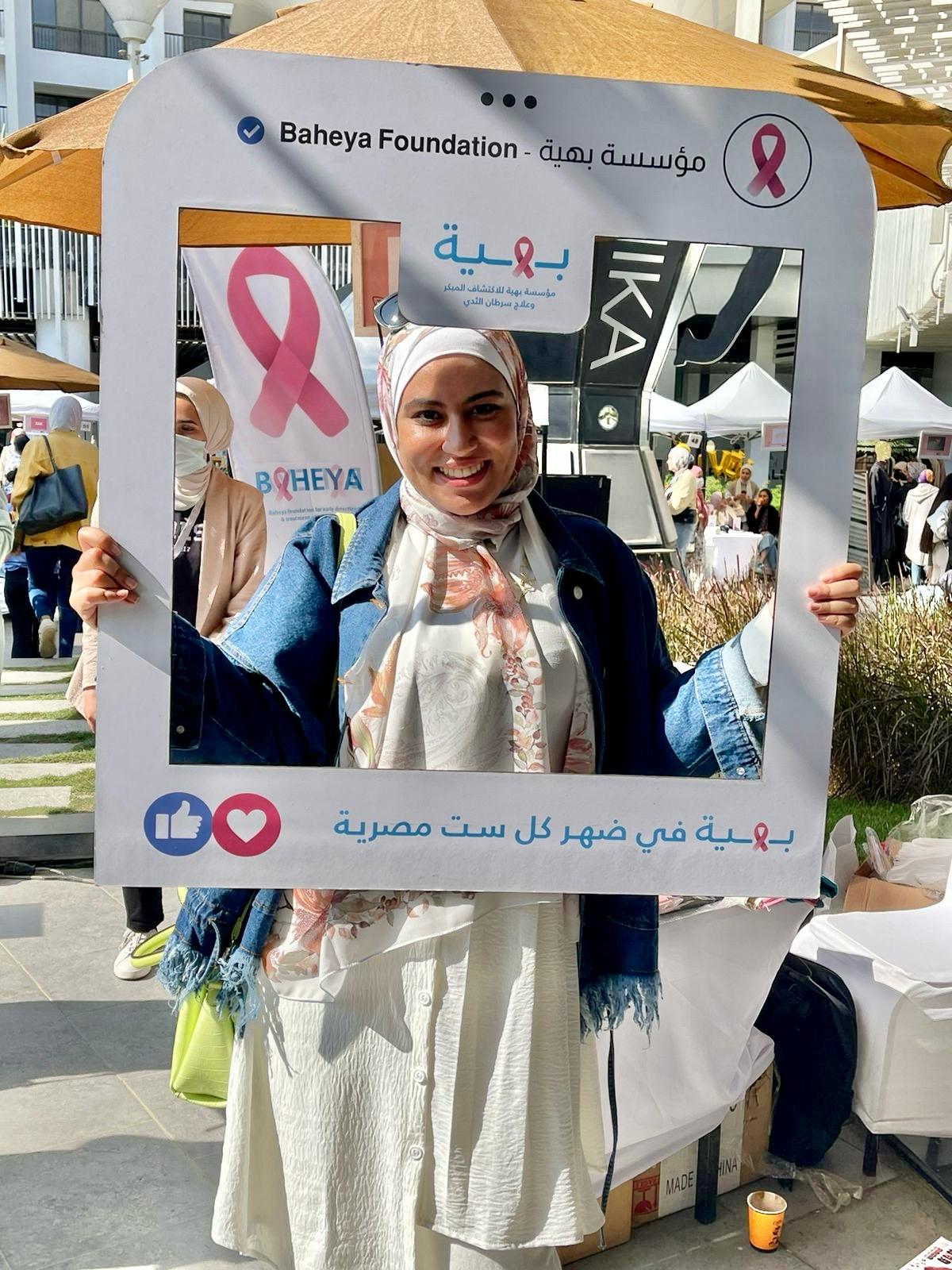
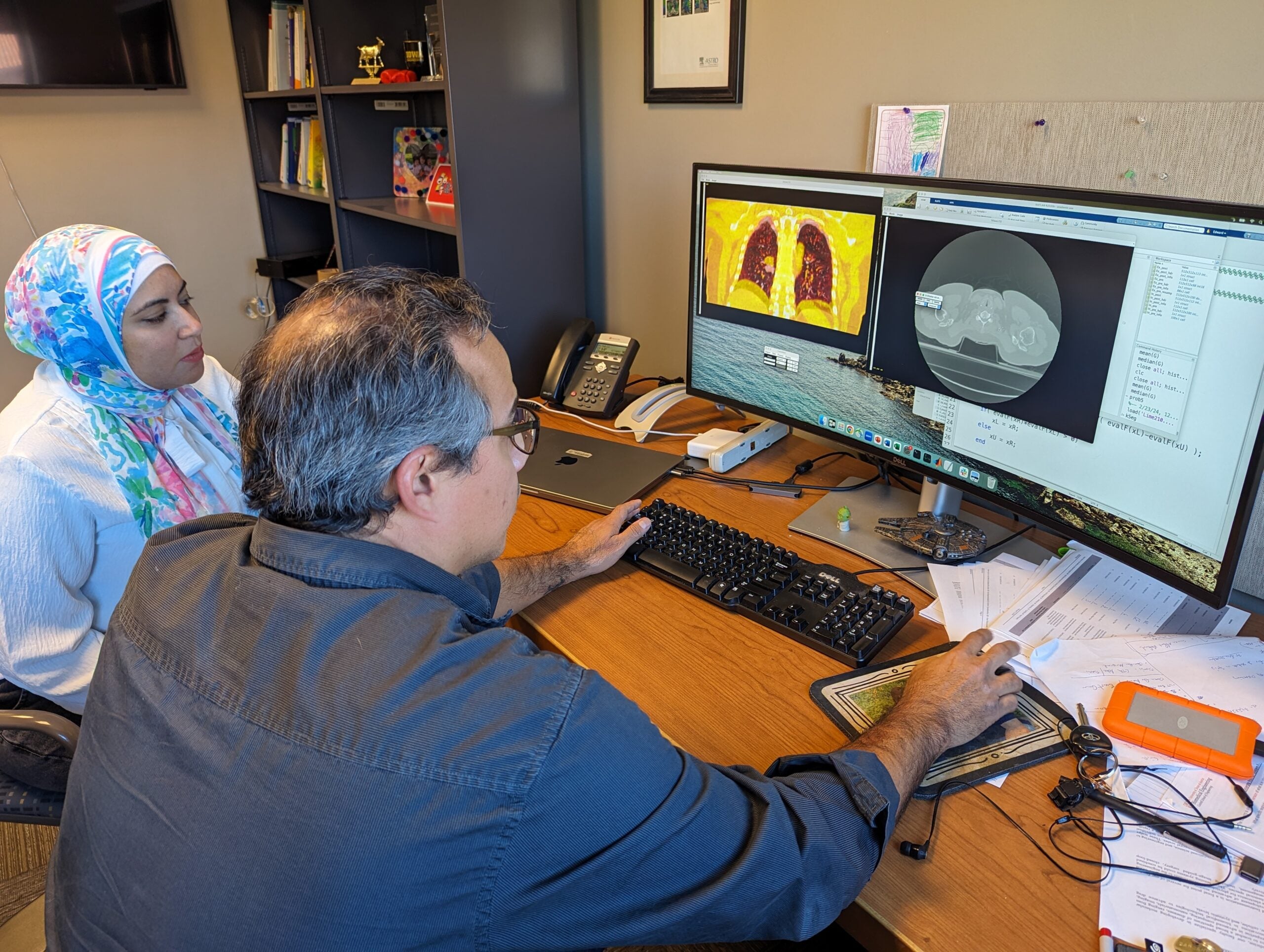
Alaa Melek spreading awareness for the Baheya Foundation (left); Alaa and assistant professor Edward Castillo assessing lung tumors (right)
“It’s a culture shock, and they miss where they came from,” he said. “That’s totally understandable, and some of them need some prodding to get out into the UT community. I say, ‘You know, there are definitely other groups of people or other students around here who are going through what you are going through. And it would be good if you met with them and you can support each other.’ And I’ve had to prod the others, but with her, she took the initiative. She got involved with all sorts of stuff. Most recently, the GAIN (Graduate and Industry Networking) thing. I said, ‘How did you do that?’
And she said, ‘Well, I thought it was interesting, and I wanted to help.’ And there you go, that’s Alaa,” said Castillo.
This combination of initiative and motivation drives both her academic and personal success. Castillo recognizes that Melek likely experienced some adjustment issues similar to other international students, yet her approach was unique and highly effective.
“The way that she dealt with it was by getting integrated into the UT community and the research community in particular. I haven’t seen that before. At the same time with her, she was going through all of that at the beginning, and you could see the toll it was taking on her mentally. Yet she also felt like she needed to hit the ground running with her research and immediately start making contributions to the lab. And I had to tell her, ‘Get settled, get your legs underneath you first. You have already done way more than I would expect anyone to do, take a breath!’ And I think that she needed to hear that because she is trying to get acclimated and, at the same time, trying to cure cancer on her first go. And I told her, ‘You are going to do great things, you don’t have to do them all in the first semester,’” said Castillo.
With the reminder that biomedical engineering research is a marathon and not a sprint, Melek took the time to find her community and a support system that she built from the ground up, providing her the freedom to dive into the research she holds so close to her heart.
The Next Steps:
As a second-year Ph.D. student at UT, Melek’s research is centered around improving health care with AI. Her interest in the technology flourished during graduate school as the core processing technologies behind AI and the datasets it uses to learn grew exponentially. Computer vision was always a step ahead of health care and medical imaging.
Her thesis focused on applying AI and computational methods to breast cancer detection. — largely inspired by the Baheya Foundation, a local hospital that was the first breast cancer early detection and treatment hospital in all of Egypt. The foundation is named for an Egyptian woman, Baheya Wahby, who was diagnosed with breast cancer and couldn’t find the necessary scans nor the needed treatment in Egypt at that time.
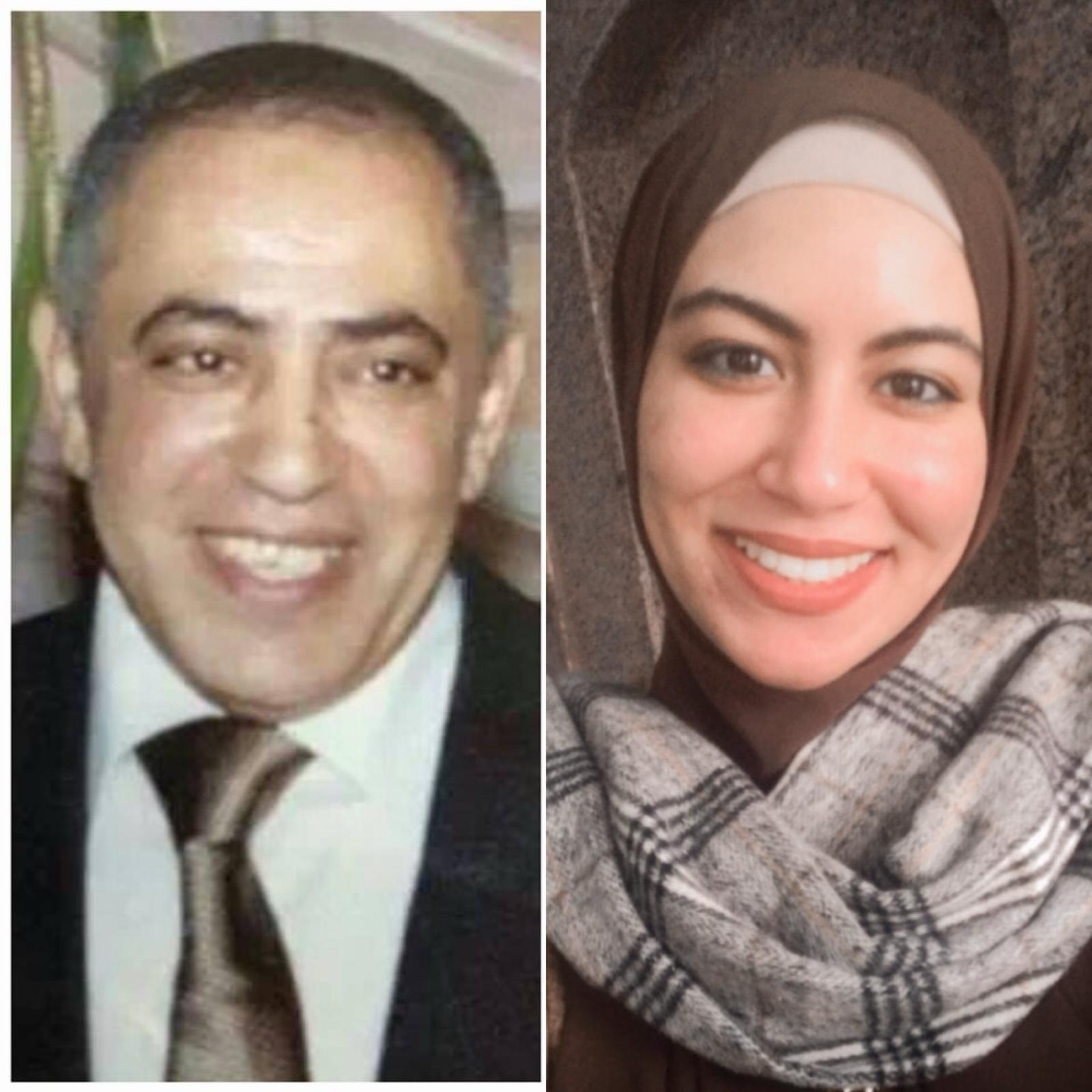
Alaa Melek and her late father, Nabil Melek
Now, Melek will use her technical knowledge of AI to help physicians better take care of their patients.
“For me, it means a lot; this is my first big research project and my first collaboration with health care,” said Melek. “I spent a lot of time shadowing and collecting data for my master’s, and later as a psychological support volunteer in this hospital. I am particularly proud because I was the one to visit and come up with a research proposal and start this collaboration from the ground up.”
As an Archer Fellowship recipient, Melek will travel to Washington, D.C., in the summer of 2024 to work on public policy revolving around AI in health care.
“I would like to see my research used in the clinic. Regulating AI in general is a really hot topic right now in the U.S. You can see there are a lot of people with technical backgrounds right now in the process, so maybe something like that will help me to break into a new area that I never considered before UT,” she said.
“I still have this dream to have a cutting-edge research center for oncology named after my late dad, I even had a name for this institution before graduating high school ‘Nabil Melek Memorial.’ One of my unspoken, yet biggest dreams.”
Alaa Melek
For Melek, her principal focus is on local, trustworthy and ethical applications of health care AI.
“We need to make sure that what we develop in the lab is actually serving our patients and not making the situation worse,” she said.
The applications of health care AI are an open road, as the transformative potential of the technology promises a future where advanced algorithms enhance detection accuracy, create personalized treatments, and improve efficiency — resulting in unprecedented growth for positive patient care outcomes.
Making Gains
Graduate and Industry Networking (GAIN) is an annual flagship event at UT Austin. It opens doors for engineering graduate students to network and create meaningful connections with industry leaders. In turn, recruiters can learn about the outstanding research work performed by UT graduate students, recruit candidates, and foster industry-academia collaborations.