
BME Welcomes Ted Ho and Zheng Xia
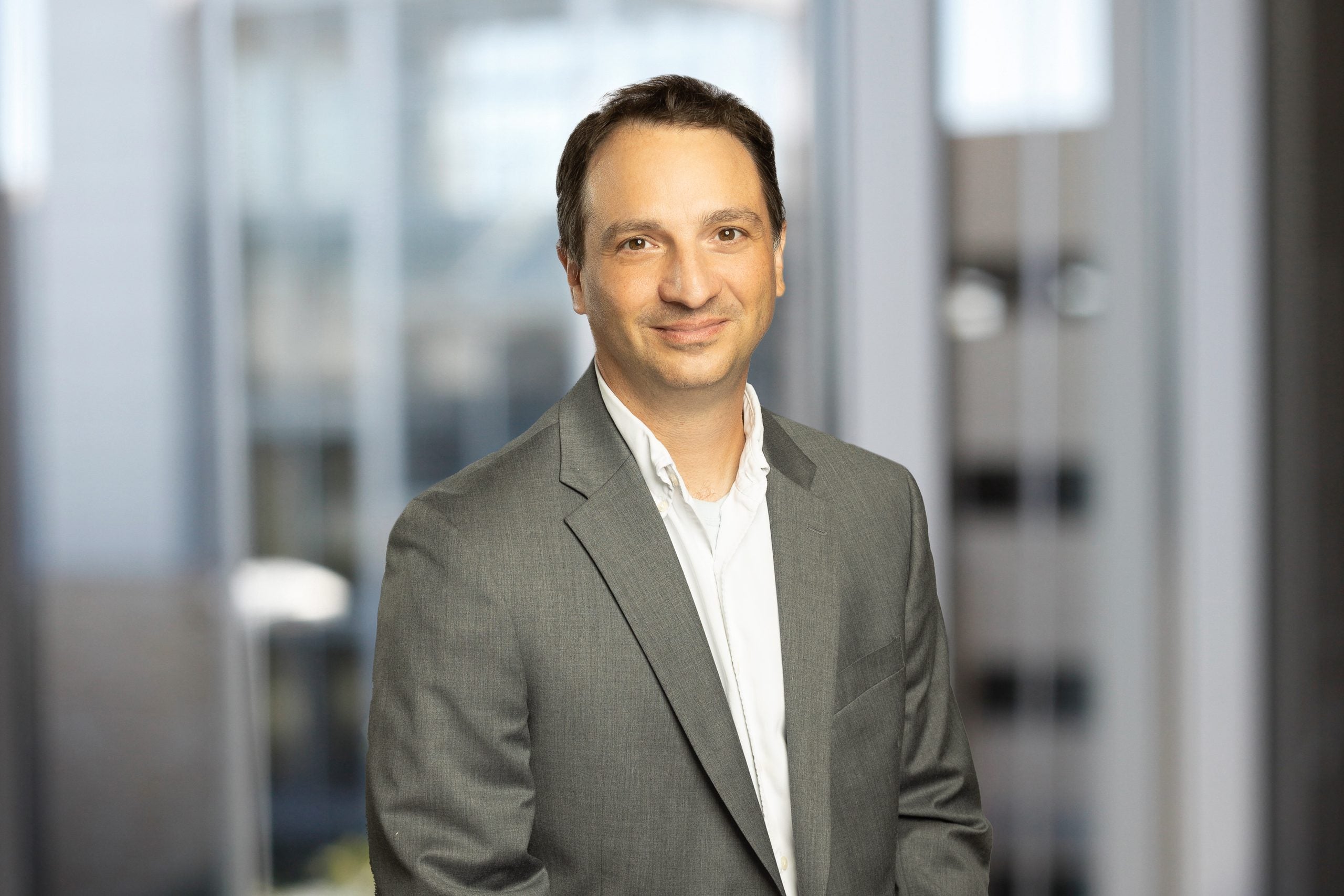
BME recently welcomed two new faculty members, Assistant Professor Theodore (Ted) Ho and Associate Professor Zheng Xia. Upon their arrival on the Forty Acres, we spoke with the newest kids on the BME block about their research, their introduction to Austin and their interests outside the lab!
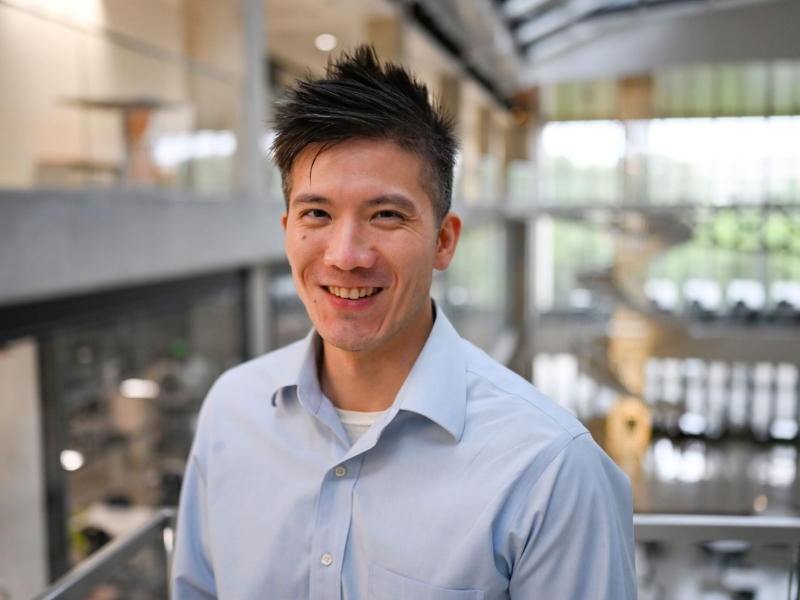
Theodore (Ted) Ho
This past spring, BME welcomed Assistant Professor Theodore (Ted) Ho.
The Forbes 30 Under 30 recipient made his way to Austin via Stanford University, where he conducted postdoctoral research in systems neuroscience with renowned optogenetics pioneer Karl Deisseroth. There, he discovered new neural mechanisms of cognitive decline during aging and Alzheimer’s disease progression and developed spatiotemporally precise optogenetic approaches to fully restore neural encoding and learning abilities in Alzheimer’s disease-related model mice.
Tell us about your research and what led you to pursue it.
My research focuses on understanding how neural activity and connectivity change during aging and in Alzheimer’s disease, and how we can translate mechanistic discoveries into new treatments to precisely re-engineer and repair neural circuits to restore cognitive function. I study these questions across multiple scales, from single-neuron activity to brain-wide connectivity.
Ever since I first learned in college that aging is the greatest risk factor for most major diseases, I have developed a passion for discovering fundamental mechanisms of aging and developing strategies to slow or even reverse biological aging to help us live healthier and longer lives.
Our brains make us who we are. They hold all of our most important memories and relationships.
If I can contribute to our understanding of why and how our brains change and lose cognitive abilities as we age and help develop new treatments that help us remember our loved ones a little bit longer, it would be a very worthwhile career to me.
What do you enjoy most about your research?
First and foremost is the potential to make a great impact on improving people’s health and lives. This is what drives me. Every discovery we make in science may not lead to a treatment or help a patient, but each one can be a small building block that future research builds upon. As the saying goes, we stand on the shoulders of giants, which, of course, is true, but actually I think most of the time it’s really that we stand on the shoulders of every small experiment done by students, postdocs and scientists of all sizes.
Second is working at the forefront of human knowledge, trying every day to learn and discover new things—what’s more exciting than that? Finally, conducting fundamental mechanistic biological research on how the brain works, combined with applied bioengineering, allows me to scratch the itch of not only understanding how things work (and stop working), but also how to fix them. I think this is one of the beauties of bioengineering. It is truly a privilege to conduct research on what I find most important, interesting and fulfilling every day as a “job.”
What brought you to UT Austin?
UT Austin was a great fit for my research, and it felt ideal for starting and building my lab, with a strong emphasis on expanding both neurotechnology and dementia-related research and infrastructure. The culture seemed very collegial, welcoming and collaborative.
During my visits I had great interactions with many people across many departments. It felt like a place where my lab could grow and really thrive. And it didn’t hurt that literally every person I talked to about Austin loved and highly recommended it.
What has been your favorite part of being a UT BME faculty member?
Everything is still so new and exciting, so it is hard to pick a favorite part, but I would say the people. From the advice from faculty and staff to the invigorating energy of the enthusiastic and smart students, I’m very grateful for how supportive and welcoming the community has been.
Outside of work, how do you like to spend your free time?
Outside of work, I like to think about work… Just kidding, but not really! But some of my other interests include spending time with friends and family, reading, cooking pasta, running and working out, discovering new restaurants, bakeries and coffee shops and chasing sunsets.
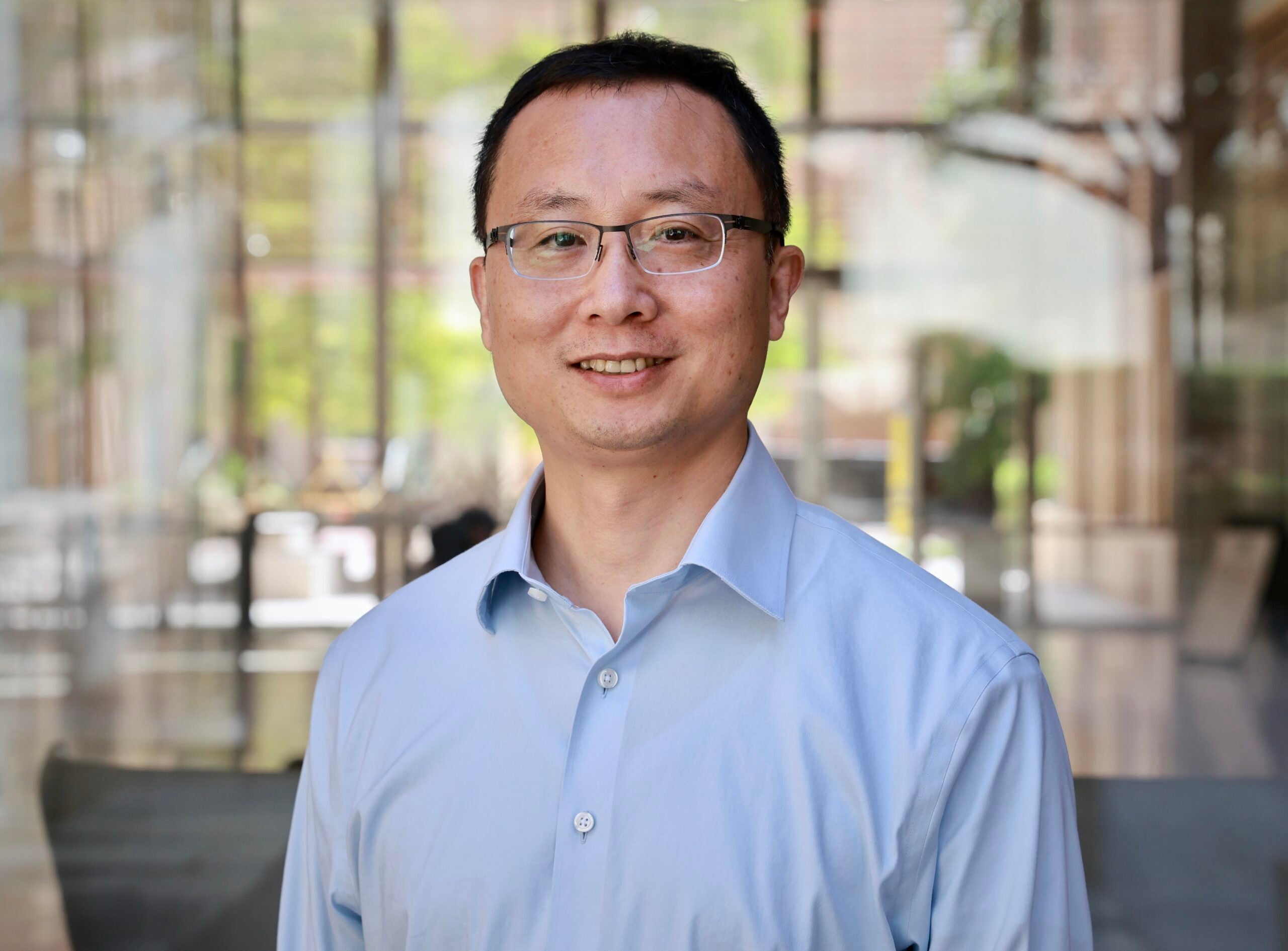
Zheng Xia
Zheng Xia returned to Texas this fall, joining UT BME after serving as an associate professor of biomedical engineering at Oregon Health & Science University.
Xia, a Cancer Prevention and Research Institute of Texas (CPRIT) Scholar, is no stranger to the Lone Star State. After earning his B.S. in automation and control engineering and his Ph.D. in pattern recognition and intelligent systems from Zhejiang University, Xia completed his postdoctoral training in computational biology at Houston Methodist Hospital and Baylor College of Medicine.
Xia’s research centers on developing new computational biology tools based on machine learning and artificial intelligence to transform large-scale biomedical data into biological insights and clinically actionable predictions.
Tell us about your research and what led you to pursue it.
My lab develops phenotype-guided AI to transform large-scale biomedical data into biological and clinical knowledge that advances precision medicine. By integrating genomics, single-cell and spatial omics, medical imaging, and clinical data, we work closely with biologists and clinicians to reveal cellular organization and cell-cell communication within the tumor microenvironment and other complex tissues. That helps us understand how they drive disease progression and treatment response.
My path to this field was somewhat unconventional. My background is in engineering, automation and pattern recognition rather than biology or medicine. During my Ph.D., I had the opportunity to visit Harvard Medical School, where I was first introduced to using machine learning to identify biomarkers from large-scale microarray datasets. I was fascinated by how computational approaches could uncover biological insights that would otherwise remain hidden. That experience inspired me to pursue interdisciplinary biomedical research, and my subsequent work at Baylor College of Medicine and Oregon Health & Science University reinforced the importance of close collaborations with biologists and clinicians.
What do you enjoy most about your research?
What I enjoy most is turning complex biomedical data into new biological knowledge that can ultimately benefit patients. We are generating biomedical data at an unprecedented scale, but more data does not automatically lead to more knowledge. My lab develops AI and bioinformatics methods to identify meaningful patterns from genomics, single-cell and spatial omics, medical imaging and clinical data. It is incredibly rewarding to see our methods enable biological and clinical discoveries that are later validated experimentally and inspire new studies.
I also love working with students and trainees. They bring fresh ideas, challenge assumptions and continually remind me that the best science comes from curiosity, collaboration, and creativity. Watching them grow into independent scientists and celebrating their success is one of the greatest joys of this work.
I also love working with students and trainees. They bring fresh ideas, challenge assumptions and continually remind me that the best science comes from curiosity, collaboration, and creativity.
What brought you to UT Austin?
There were several reasons I decided to join UT Austin. First, UT Austin is an outstanding place for interdisciplinary research. The Department of Biomedical Engineering has a strong collaborative culture, and I was excited by the opportunity to work with colleagues across the Oden Institute, Dell Medical School and many other departments. Combined with Texas’s rapidly growing biomedical ecosystem and the new collaborations between UT Austin and MD Anderson Cancer Center, this makes for an exciting environment for translating engineering and computational discoveries into better patient care.
I was also drawn by UT Austin’s outstanding students. Before joining the University, I had the opportunity to mentor a UT Austin summer intern and was impressed by the student’s talent and curiosity. That experience made me even more excited to build a research program and train the next generation of scientists and engineers.
Finally, Austin itself is a vibrant technology hub. Its innovative and entrepreneurial culture resonates strongly with my passion for technology and biomedical innovation.
What are you looking forward to about being a UT BME faculty member?
I’m excited to build a collaborative research program that brings together engineering, computational biology and biomedical science to better understand human disease. I’m looking forward to working with colleagues across UT Austin and throughout Texas to integrate genomics, single-cell and spatial biology, medical imaging, and computational methods to advance precision medicine.
As a CPRIT Scholar, I’m especially excited to build collaborations with leading cancer research and clinical institutions across the state, including MD Anderson Cancer Center and UT Southwestern Medical Center.
I’m also excited to mentor the next generation of computational biologists and biomedical engineers by giving them the opportunity to work on important biological and clinical questions using cutting-edge technologies and real-world data. I hope to create an environment where students are encouraged to ask important questions, collaborate across disciplines and grow into creative, independent scientists.
Outside of work, how do you like to spend your free time?
Outside the lab, I enjoy spending time with my family and friends, watching NBA games (I’ve been a Spurs fan for many years!), and exploring local restaurants. I’m looking forward to experiencing Austin’s vibrant culture, live music, and famous barbecue. I also enjoy reading about the latest advances in artificial intelligence and technology, and I often find that my best research ideas come during a walk rather than while sitting at my desk.
More Stories
Texas Engineering Once Again Named Among Top 10 Best Graduate Engineering Programs